


Huacachina & Ica:
Peru's Desert Oasis That Inspires Slow Living
There is a version of Peru that many travellers never expect.
Not the snow-capped peaks of the Andes or the emerald valleys surrounding Cusco, but a landscape of endless golden dunes, vineyards stretching towards the horizon, and warm desert sunsets that seem to slow time itself.
As a Peruvian, one of my favourite things is witnessing the surprise on visitors’ faces when they discover that our country gave birth to pisco and is home to the only natural desert oasis in South America.
When my friends and I visited Ica and Huacachina, we arrived expecting adventure.
We left with something else entirely.
A reminder that some places invite you to do less, stay longer, and pay closer attention.
The landscapes may change from mountains to coastlines to deserts, but the soul of Peru remains constant. Its ancient traditions, local craftsmanship, stories passed down through generations and deep connection to the land are the quiet heartbeat behind our conscious brand.
Pisco & Wine Tasting
Before the dunes and sunset views, our first stop was Viñas Queirolo, one of Peru’s most renowned pisco and wine estates.
First Stop: Viñas Queirolo & The Art of Pisco
If Paracas belongs to the ocean, Ica belongs to the grape.
Our first stop was Viñas Queirolo, one of Peru’s most celebrated wine and pisco estates, surrounded by vineyards that seem to stretch endlessly into the desert horizon.
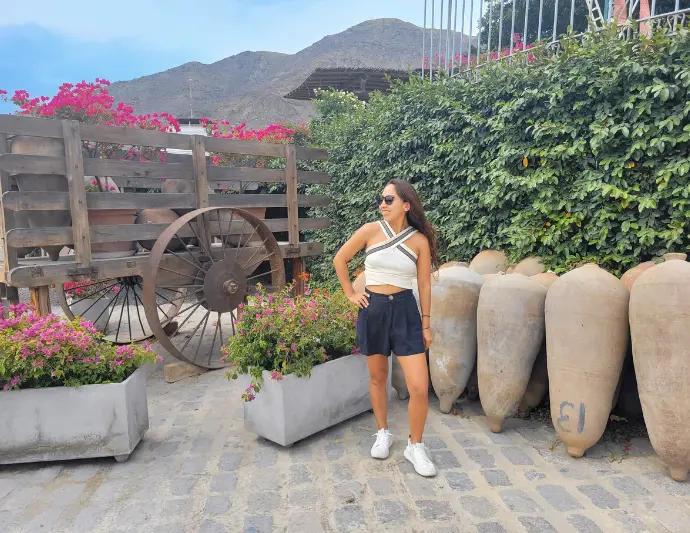
Like many Peruvians, I grew up seeing bottles of Queirolo in supermarkets, family celebrations and Sunday lunches. Visiting the place where that story begins felt special.
But before the tasting started, our guide shared something that many visitors don’t know.
The word Pisco comes from the Quechua word Pishku, meaning bird — a reference to the abundance of birdlife that once populated this region and the nearby Pacific coast.
By the seventeenth century, barrels of grape spirit were already leaving the port of Pisco and travelling across the Spanish Empire. Centuries later, pisco remains one of Peru’s proudest cultural symbols and one of the clearest expressions of our agricultural heritage.
As much as I enjoy wine, it was not the wines that stole my heart that afternoon.
It was the macerados.
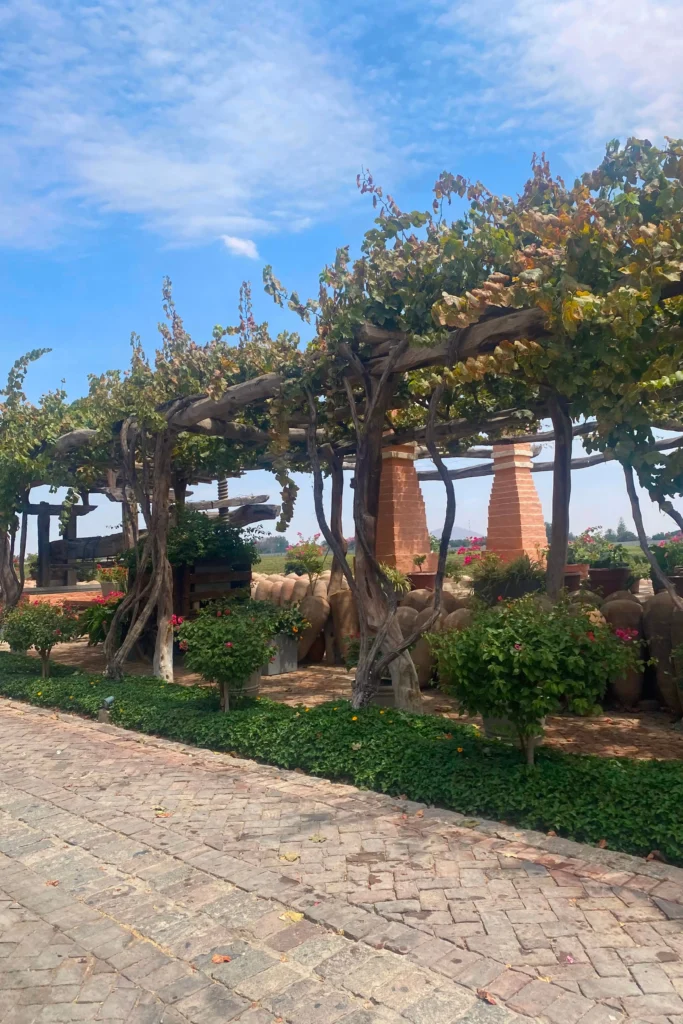
Cherry. Mandarin. Local fruits slowly infused into pisco until they transformed
into something beautifully smooth and unexpectedly elegant.
The cherry macerado quickly became our collective obsession. We left with six bottles between us and absolutely no regrets.
Some souvenirs collect dust on a shelf. Others become stories shared around a dinner table years later.
Second Stop: Tambo de Tacama
If Queirolo introduced us to the spirit of Ica, Tacama introduced us to its romance.
Arriving at Tambo de Tacama feels almost surreal.
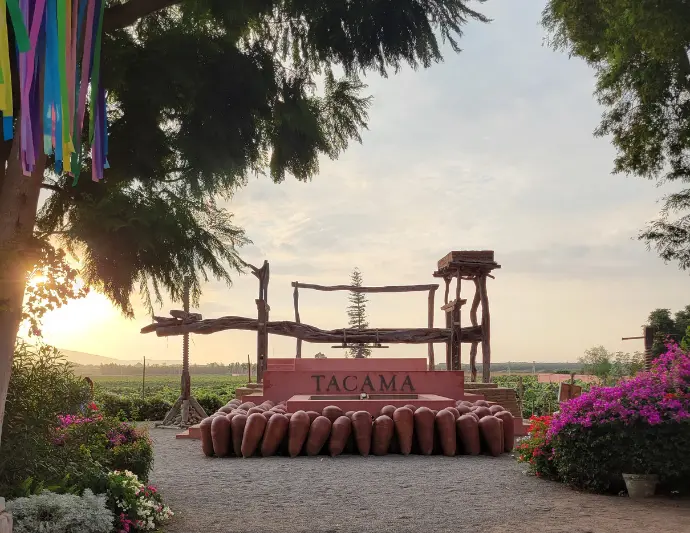
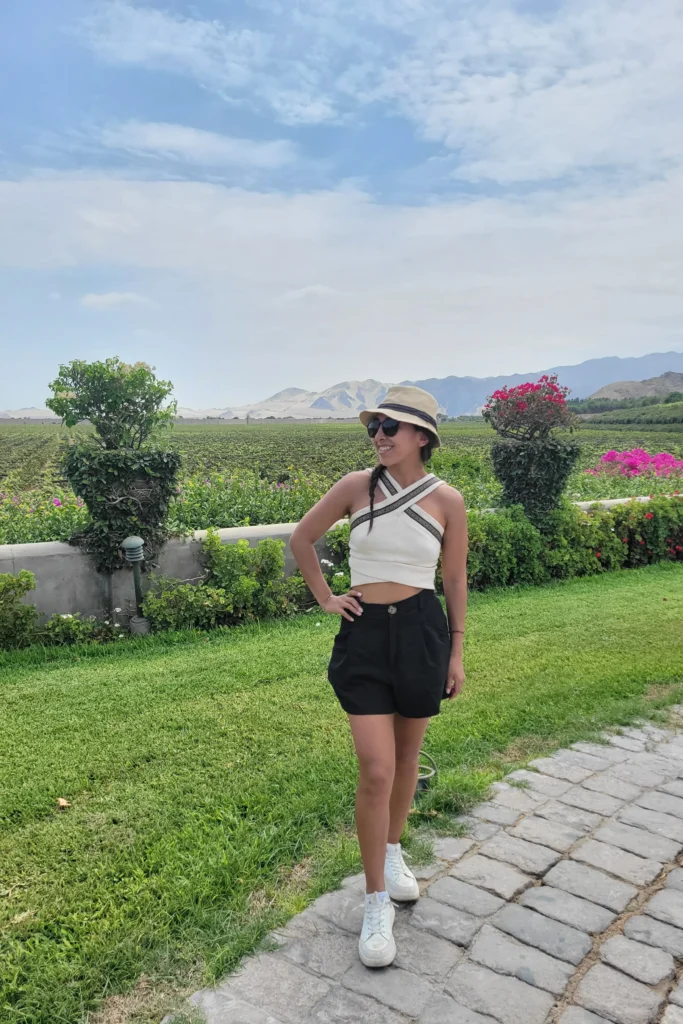
Palm trees sway between colonial buildings, flowers spill across courtyards and vineyards surround the estate in every direction. It feels less like a winery and more like a small hidden world.
Lunch stretched slowly into the afternoon as we shared traditional Peruvian dishes overlooking the vines.
Nobody checked the time.
Nobody needed to.
Then came one of the most memorable tasting experiences I have ever had.
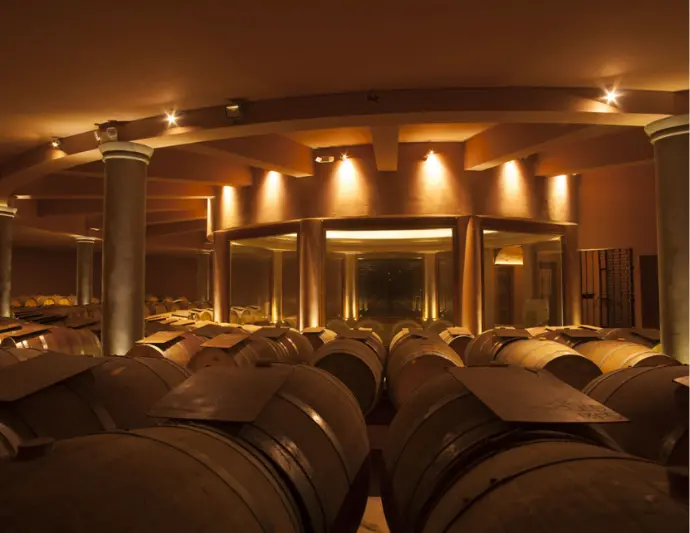
Deep beneath the estate, hidden among rows of oak barrels, sits an underground wine cave with glass walls that make you feel as though you are dining inside the cellar itself.
Our sommelier guided us through pairings of wines with pecans, raisins and aged cheeses, explaining how flavours evolve and interact.
One pairing somehow tasted exactly like cheesecake.
As sunset approached, we stepped back outside and watched the final light fall across the vineyards and colonial arches.
The Oasis: Slowing Down in Huacachina
After a delightful (and boozy) day, we headed to Huacachina, a tiny village built around a desert oasis just southwest of Ica, the only natural oasis in South America.
Huacachina is a small village built around an oasis, tucked between the sand dunes just southwest of Ica. While it’s touristy, the lively vibe comes with lots of perks, plenty of hotels, restaurants, and bars (almost all with happy hour deals on Pisco Sours). But what really draws people here are the desert adventures, especially the thrilling dune buggy rides and sandboarding down the golden slopes.
We booked a classic tour through one of the many local agencies offering dune buggy rides and sandboarding. There’s no shortage of options, so we just booked ours the night before—no need to reserve in advance unless you’re traveling with a big group.
Our buggy driver didn’t hold back, it was wild, fast, and so much fun. After about 20 minutes of flying over dunes, we stopped for photos (the guides are pros at finding the best angles), then it was time for sandboarding.
Heads-up: sliding down the dunes is a blast… but hiking back up with your board? Not quite as fun.
After a few more runs and a final high-speed ride through the dunes, we rolled back into town, covered in sand but riding high on adrenaline.

Our 4-day trip through Paracas, Ica, and Huacachina felt just right, we saw and did a lot but never felt rushed. If you have extra time, I’d recommend adding a day or two, especially in Paracas, to unwind by the beach and enjoy the ocean breeze. Having a car made things easier for us, but getting around is totally doable without one. Buses and taxis are very affordable in Peru, and hopping on a mototaxi (tuk tuk) is not only convenient, but also part of the local experience.
For those with more time and curiosity, Nazca is just a 3-hour drive south. There, you can take a small plane to see the mysterious Nazca Lines from above—an unforgettable experience.
The Kay Pacha Packing Guide: What to Wear

Desert climates are deceptive.
The afternoons are hot, the evenings cool quickly and layering becomes essential.
The beauty of travelling slowly is learning to pack less and wear each piece more intentionally.
For daytime buggy rides and sandboarding adventures:
Our breathable Organic Cotton Tank Crop Top keeps you cool under the desert sun. Pair it with relaxed trousers or shorts and comfortable sneakers for walking through the dunes.
As sunset arrives and temperatures begin to drop:
Layer into one of our elegant Cross Tops for dinner among the vineyards.
Premium natural fibres make all the difference in Ica.


Local Travel Guide & Pro Tips
Are there wine and pisco tasting tours in Ica?
- Yes! There are plenty of tasting tours around Ica. Some are group tours that visit several producers in one day, these are often more affordable and can be fun if you are looking for a social, fast-paced experience. Just keep in mind that larger groups can vary in quality and feel a bit rushed.
- We chose to visit Viñas Queirolo and Tacoma, two of Peru’s best producers. These visits felt much more intimate, with small groups (8-10 people), knowledgeable guides and a more relaxed, private experience. We called Queirolo the day before to check availability, but in high-season, you might want to check/book 1-2 weeks in advance since tours capacity are low.
What is Pisco?
Pisco is a clear or amber-colored distilled spirit made from fermented grape juice. What makes it unique is that it is distilled only once and not aged in wood, preserving the pure aromas and flavors of the grapes.
Is Pisco really from Peru?
Yes, Peru is widely recognized as the birthplace of pisco and there is strong evidence to back it up:
- Historical records: The word pisco appears in Peruvian colonial records dating back to the 17th century, including tax records and export documents
- Geographical naming: Pisco gets its name from the Peruvian port town of Pisco, located in the Ica region, which was a major colonial shipping hub. In Quechua, pishku means “bird”, a recognition to the region’s rich birdlife
- Production and tradition: Peru uses specific grape varieties (like Quebranta, Italia and Torontel) and maintains a strict traditional product method. To be named pisco in Peru it must be made from 100% fermented grape juice (no additives), be distilled only once in copper still to preserve the flavor of the grape and be bottle without aging in wood.
- Cultural recognition: In 2013, Peru declared pisco as a national cultural heritage product and UNESCO Memory of the World features historical manuscripts supporting its Peruvian origins.
- Scholarly sources: Historians like Luciano Revoredo and Guillermo Toro-Lira, point to Peru as having the earliest and most consistent documentation of pisco as a grape brandy.
How to do Pisco Sour at home?
To make a simple Pisco Sour, you’ll need Pisco, fresh lime juice, simple syrup (or “jarabe de goma”), ice, egg white and Angostura bitters. I usually swap the syrup with white sugar and use a dash of ground cinnamon instead of bitters—it still works great!
Use the 3-2-1 rule as a base:
3 oz Pisco
2 oz syrup or sugar (add gradually to adjust sweetness)
1 oz lime juice
Start by blending the Pisco, lime juice, sugar (or syrup), and ice until smooth. Taste it, and if the balance is right, add one egg white and blend again—this time on low speed—just enough to create that signature frothy top.
Top with a sprinkle of cinnamon or a drop of bitters, and you’re good to go. Cheers!
When is the best time to visit Huacachina and Ica?
- The most comfortable months are between May and September, with warm sunny days and cooler evenings that are perfect for both vineyard visits and desert adventures.
- We visited in April and loved the quieter atmosphere, pleasant temperatures and smaller crowds.
Is Huacachina part of Ica?
- Yes, Huacachina is a small desert oasis village within the city of Ica, in the Ica region of southern Peru. It is just a 10-minute drive from downtown Ica.
How do I get from Ica to Huacachina?
- Ica is approximately four to five hours south of Lima by car or bus. Huacachina sits just ten minutes from central Ica and is easily reached by taxi or mototaxi.
Are the buggy tours in Hucachina safe?
- Buggy rides are exhilarating and can feel intense for first-time visitors. Choose licensed operators, wear your seatbelt at all times and don’t hesitate to ask your driver for a gentler ride if you prefer to enjoy the scenery at a slower pace.
- Sandboarding is traditionally done lying down rather than standing for safety reasons.
How many days do i need in Ica and Huacachina?
You can do the highlights in 1-2 days. Here is a sample 1-day itinerary:
- Morning: Arrive early in Huacachina, do the buggy and sandboarding tour
- Midday: Head to a wine and pisco estate for lunch and a tasting tour
- Afternoon: visit a second producer or explore downtown Ica
- Evening: return to Lim, depart to your next destination or stay overnight.
If you have more time, I highly recommend staying an extra day, especially to book premium experiences like Queirolo or Tacama.