


Organic Cotton vs Conventional Cotton:
The Story Woven Into What We Wear
The Here and Now: The World We Choose Every Morning
In the Andean worldview, Kay Pacha means this world — the world of the present moment, where humans, nature, mountains, rivers and spirits coexist in delicate balance with Pachamama, Mother Earth.
This relationship is guided by ayni, the principle of reciprocity: giving back as much as we take.
Every morning, often without realizing it, we participate in that relationship through a simple ritual.
We choose what to wear.
A T-shirt may seem like a small decision, but every garment carries a story — of the soil where its fibres grew, the hands that harvested it, the water that nourished it, and the communities that helped bring it to life.
At Kay Pacha, we believe clothing should honour both the people who wear it and the earth that provides it.
That is why we choose organic cotton.
Not because it is perfect, but because it represents a slower, more thoughtful relationship with the world we inhabit today and the one we leave for tomorrow.
Organic Cotton and Conventional Cotton: What Is the Difference?
At first glance, organic cotton and conventional cotton appear almost identical.
Both become the shirts we wear every day, the bedding we sleep in and the fabrics that surround our lives.
The real difference lies beneath the surface.
Organic cotton is grown without synthetic pesticides, synthetic fertilisers or genetically modified seeds. Instead, farmers rely on natural methods such as composting, crop rotation and biological pest management to maintain healthy soils and productive crops.
Conventional cotton farming often depends on chemical inputs designed to maximise production and yields in the shortest possible time.
Neither system exists in isolation. The choices made on farms influence biodiversity, water resources, greenhouse gas emissions, worker health and ultimately the quality of the final garment.
Why Soil Health Matters More Than We Think
Healthy clothing begins with healthy soil.
One of the largest differences between organic and conventional cotton is how farmers manage pests and maintain soil fertility.
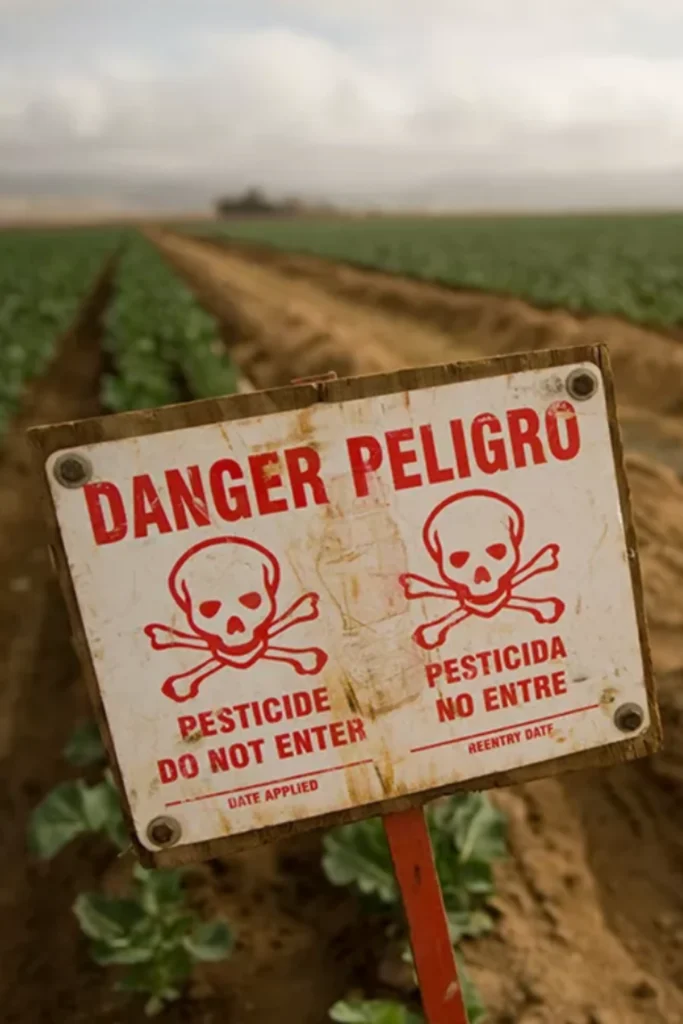
According to industry estimates, conventional cotton production accounts for approximately 5% of global pesticide use and 11% of global insecticide use, despite cotton occupying a relatively small percentage of the world’s agricultural land.
These chemicals can affect far more than the crops they are intended to protect.
They can reduce biodiversity within the soil, impact surrounding ecosystems and expose agricultural workers and nearby communities to harmful substances through air and water contamination. Some studies have found significant rates of pesticide poisoning among cotton farmers in certain regions of the world, highlighting the human cost often hidden behind inexpensive clothing.
Organic farming takes a different approach.
Instead of replacing natural systems with chemical solutions, organic farmers work with nature to create resilient ecosystems.
Some of the practices used include:
- Crop rotation, which improves soil fertility and naturally interrupts pest cycles.
- Biological pest control, where beneficial insects and microorganisms help manage pests.
- Companion planting, where different crops support one another and reduce the need for chemical intervention.
The result is not simply healthier cotton fields but healthier ecosystems capable of sustaining future generations.
Why Soil Health Matters More Than We Think
Healthy clothing begins with healthy soil.
One of the largest differences between organic and conventional cotton is how farmers manage pests and maintain soil fertility.
According to industry estimates, conventional cotton production accounts for approximately 5% of global pesticide use and 11% of global insecticide use, despite cotton occupying a relatively small percentage of the world’s agricultural land. These chemicals can affect far more than the crops they are intended to protect.
They can reduce biodiversity within the soil, impact surrounding ecosystems and expose agricultural workers and nearby communities to harmful substances through air and water contamination. Some studies have found significant rates of pesticide poisoning among cotton farmers in certain regions of the world, highlighting the human cost often hidden behind inexpensive clothing.
Organic farming takes a different approach. Instead of replacing natural systems with chemical solutions, organic farmers work with nature to create resilient ecosystems.
Some of the practices used include:
- Crop rotation, which improves soil fertility and naturally interrupts pest cycles.
- Biological pest control, where beneficial insects and microorganisms help manage pests.
- Companion planting, where different crops support one another and reduce the need for chemical intervention.
The result is not simply healthier cotton fields but healthier ecosystems capable of sustaining future generations.
Water Is Sacred
In Peru, water has always been more than a resource.
It is life itself.
Cotton cultivation requires significant amounts of water, although the exact amount varies greatly depending on climate conditions, rainfall and irrigation methods. Estimates suggest that producing a single cotton T-shirt may require between 2,000 and 3,000 litres of water throughout cultivation and production.
The challenge is not that cotton uses water.
The challenge is how responsibly that water is managed.
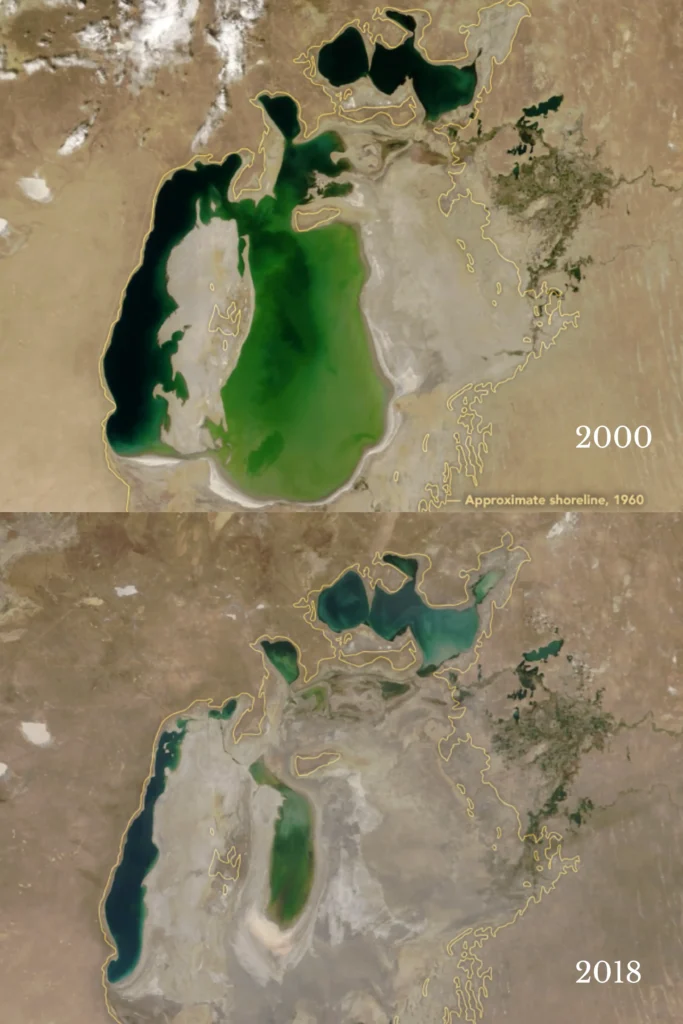
One of the most striking examples of unsustainable water use is the Aral Sea, once the fourth-largest freshwater lake in the world. Since the 1960s, large-scale irrigation projects for cotton cultivation in Central Asia contributed to the loss of approximately 90% of its volume, devastating local ecosystems and communities that depended on it for their livelihoods.
Organic agriculture cannot eliminate water use, but healthier soils can improve water efficiency.
Soils rich in organic matter retain moisture more effectively, absorb rainfall more efficiently and reduce water runoff. This allows crops to become more resilient during periods of drought while reducing pressure on local water systems.
Responsible production also extends beyond farming.
Certifications such as the Global Organic Textile Standard (GOTS) require manufacturers to implement water management systems and wastewater treatment processes throughout textile production.
Water Is Sacred
In Peru, water has always been more than a resource. It is life itself.
Cotton cultivation requires significant amounts of water, although the exact amount varies greatly depending on climate conditions, rainfall and irrigation methods. Estimates suggest that producing a single cotton T-shirt may require between 2,000 and 3,000 litres of water throughout cultivation and production.
The challenge is not that cotton uses water. The challenge is how responsibly that water is managed.
One of the most striking examples of unsustainable water use is the Aral Sea, once the fourth-largest freshwater lake in the world. Since the 1960s, large-scale irrigation projects for cotton cultivation in Central Asia contributed to the loss of approximately 90% of its volume, devastating local ecosystems and communities that depended on it for their livelihoods.
Organic agriculture cannot eliminate water use, but healthier soils can improve water efficiency.
Soils rich in organic matter retain moisture more effectively, absorb rainfall more efficiently and reduce water runoff. This allows crops to become more resilient during periods of drought while reducing pressure on local water systems.
Responsible production also extends beyond farming.
Certifications such as the Global Organic Textile Standard (GOTS) require manufacturers to implement water management systems and wastewater treatment processes throughout textile production.
The Hidden Climate Impact of Cotton
Agriculture plays an important role in climate change.
According to the Intergovernmental Panel on Climate Change (IPCC), agriculture contributes approximately 18–22% of global greenhouse gas emissions, with synthetic fertilisers representing a major source of nitrous oxide emissions.
Nitrous oxide is particularly significant because it is approximately 300 times more potent than carbon dioxide as a greenhouse gas over a 100-year period.
Conventional agriculture often relies heavily on synthetic nitrogen fertilisers manufactured using fossil fuels.
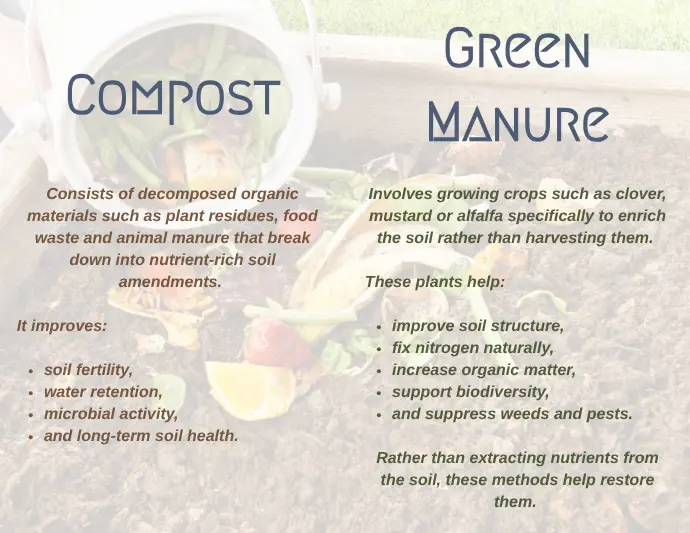
Organic agriculture replaces these inputs with natural alternatives that nourish the soil rather than simply feeding the crop.
Two important examples are compost and green manure.
Healthy Soils Can Help Store Carbon
When we think about carbon storage, forests usually come to mind.
But soil is one of the planet’s largest carbon reservoirs.
Plants absorb carbon dioxide through photosynthesis as they grow. When those plants decompose, some of that carbon becomes part of the soil’s organic matter.
Healthy soils rich in soil organic matter (SOM) can store significant amounts of carbon for long periods of time.
However, intensive tilling and synthetic inputs can disrupt this process by accelerating decomposition and releasing stored carbon back into the atmosphere.
Organic farming practices that build soil health help maintain these natural carbon storage systems while supporting biodiversity and resilience.
Why Certifications Matter
Choosing organic cotton is an important first step, but certifications help ensure those values continue throughout the entire supply chain.
The Global Organic Textile Standard (GOTS) is widely considered one of the most rigorous certifications within the textile industry.
GOTS goes beyond farming and includes standards for:
- chemical management,
- water treatment,
- waste reduction,
- worker protection,
- social rights,
- and environmental responsibility.
It also restricts toxic dyes and hazardous substances commonly used during textile processing.
For consumers, certifications provide reassurance that the values behind a garment extend from the cotton field to the finished product.
Can One Purchase Really Make a Difference?

It is easy to feel that our choices are too small to matter.
We ask ourselves:
“Can buying one organic T-shirt really change anything?”
The answer is yes.
Organic farming is often more labour-intensive, more expensive and more difficult for farmers to transition towards without support.
Consumer demand helps create that support.
As demand for organic products grows, governments, organisations and supply chains become more willing to invest in training, certification and financial assistance for farmers making the transition.
Small choices, repeated millions of times, become markets.
Markets become systems.
Systems become change.
Can One Purchase Really Make a Difference?
It is easy to feel that our choices are too small to matter.
We ask ourselves:
“Can buying one organic T-shirt really change anything?”
The answer is yes.
Organic farming is often more labour-intensive, more expensive and more difficult for farmers to transition towards without support.
Consumer demand helps create that support.
As demand for organic products grows, governments, organisations and supply chains become more willing to invest in training, certification and financial assistance for farmers making the transition.
Small choices, repeated millions of times, become markets.
Markets become systems.
Systems become change.
What Can We Do Today?

Building a more responsible wardrobe does not require perfection.
It simply requires intention.
A few places to begin:
- Choose fewer garments, but choose higher quality ones.
- Replace disposable cotton products with reusable alternatives where possible.
- Support brands that prioritise transparency and responsible production.
- Move away from fast fashion and towards timeless pieces designed to last.
The fashion industry currently produces around 100 billion garments every year, with a significant proportion ending in landfill or incineration.
Perhaps sustainability begins with something much simpler:
Creating products worth keeping.
The Threads We Leave Behind
At Kay Pacha, we often return to one question:
What kind of world are we helping weave through the choices we make today?
Organic cotton is not a perfect solution.
But it is a quieter, slower and more respectful conversation with Pachamama.
It reminds us that quality can coexist with responsibility.
That craftsmanship can coexist with care.
And that what we wear can become something more than consumption.
It can become relationship.
Because the world we inherit tomorrow is shaped by the threads we choose today.
Discover the Kay Pacha Organic Cotton “SUMAQ” Collection, inspired by the everyday moments that shape us

Frequently Asked Questions
- What is organic cotton? What is organic agriculture?
Organic agriculture avoids synthetic fertilizers, pesticides, and GMOs, using natural methods like composting, green manure, and crop rotation to build healthy, biodiverse soil. - Why is organic cotton better for the environment?
Organic cotton reduces water use, avoids synthetic chemicals, supports biodiversity, and helps sequester carbon in healthy soil—making it far more sustainable than conventional cotton. - Is organic cotton better for your skin?
Yes. Unlike conventional cotton, organic cotton doesn’t retain toxic chemical residues that can cause skin irritation or allergic reactions. It’s also naturally hypoallergenic. - Does organic cotton use less water?
Yes. Organic farming methods improve soil’s ability to retain water and reduce water pollution, while GOTS certification ensures responsible water use during textile processing. - How does organic cotton help reduce greenhouse gas emissions?
Organic farming avoids synthetic fertilizers, which are a major source of nitrous oxide—a potent greenhouse gas. It also builds soil organic matter that stores carbon more effectively.

- Is organic cotton really more sustainable?
Absolutely. It benefits the environment, supports fair labor, uses fewer resources, and is safer for both producers and consumers. - Is organic cotton worth the higher price?
Yes. The price reflects ethical labor, safer farming practices, and higher-quality materials. You’re investing in durability, health, and a cleaner planet. - Is organic cotton more durable than conventional cotton?
Yes. Because organic cotton fibers are handpicked and not weakened by harsh chemicals, they remain longer, stronger, and result in softer, longer-lasting fabrics. - Can choosing organic cotton really make a difference?
Yes, even small changes matter. Consumer demand drives systemic change, influencing farming practices, industry standards, and global sustainability efforts. - How can i start switching to organic cotton today?
Start by replacing disposable cotton items (like makeup wipes) with reusables and avoiding fast fashion in favor of durable, organic garments.