
Baby Alpaca Wool
Benefits, Sustainability and How It Compares to Cashmere
Soft, luxurious, and sustainably sourced
Baby alpaca wool is one of the finest and most luxurious natural fibers in the world. Known for its softness, lightweight warmth, and sustainable production, it has become a preferred choice for ethical fashion and high-quality knitwear.
Despite its name, baby alpaca wool does not come from baby alpacas. Instead, the term refers to alpaca fiber classified by its fineness, typically measuring below 19 microns in diameter, which makes it noticeably softer than regular alpaca wool. This fine fiber is most commonly obtained during the alpaca’s first shearing, when the fleece is naturally at its softest.
In this guide, we explore what baby alpaca wool is, its key benefits, how it compares to cashmere, and why it is considered a sustainable luxury fiber.
What is Baby Alpaca Wool?
Baby alpaca wool is defined by fiber quality, not the animal’s age. According to the Textile Exchange, it measures under 19 microns, ranking among the finest commercial alpaca fibers, second only to rare Royal Alpaca, sourced from exceptional animals and select areas of the fleece.
Most baby alpaca wool comes from the first shearing, which usually takes place when an alpaca is between 18 and 24 months old. At this stage, the fiber is naturally finer, smoother, and more uniform. While fiber diameter generally increases as alpacas age, some adults continue to produce baby-grade fiber depending on genetics, nutrition, environment, stress levels, and even the specific area of the body.
Baby alpaca fiber has flatter surface scales than sheep’s wool, resulting in:
- A smoother hand feel
- Less friction against the skin
- Minimal itchiness
Alpaca fiber contains no lanolin, making baby alpaca wool naturally hypoallergenic and suitable for sensitive skin.
Alpaca fiber has a semi-hollow, partially medullated structure, meaning some fibers contain a medulla—microscopic air pockets running through the core—while others are non-medullated and fully solid. This combination allows alpaca wool to trap heat efficiently for exceptional warmth, while remaining lightweight, breathable, and comfortable against the skin.
Cross section image of a fiber bundle from three different SC species: (left) Merino sheep fleece: all fibers are unmedullated. (middle) Cashmere goat fleece after dehairing: most of the medullated primary fibers have been removed. (right) Alpaca fleece comprises of a mixture of medullated and non-medullated fibers.
Natural Colors of Alpaca Wool
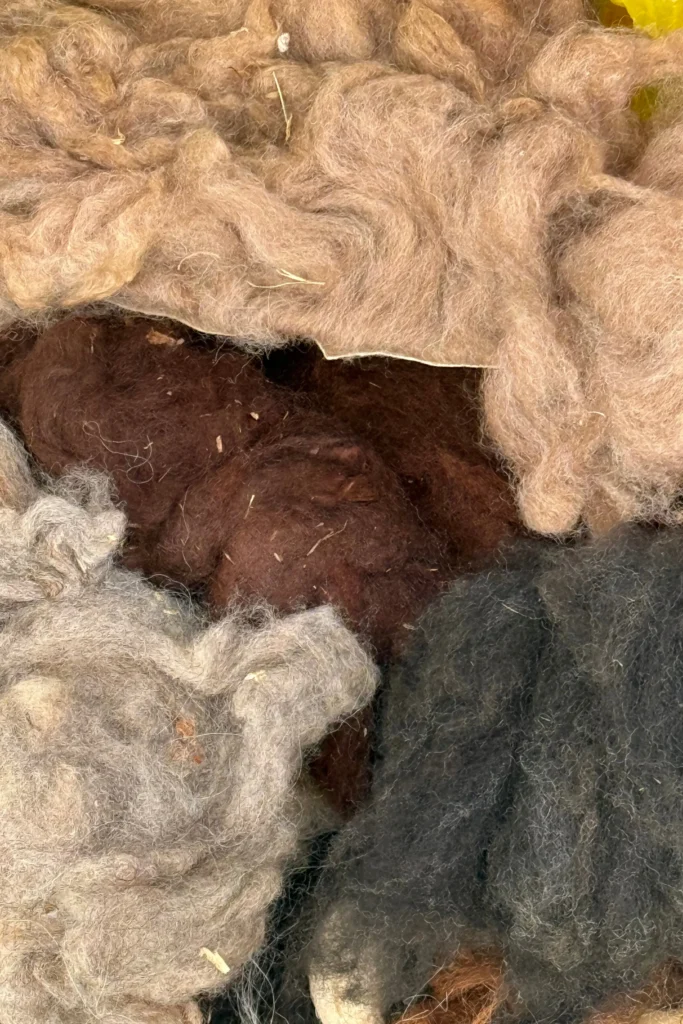
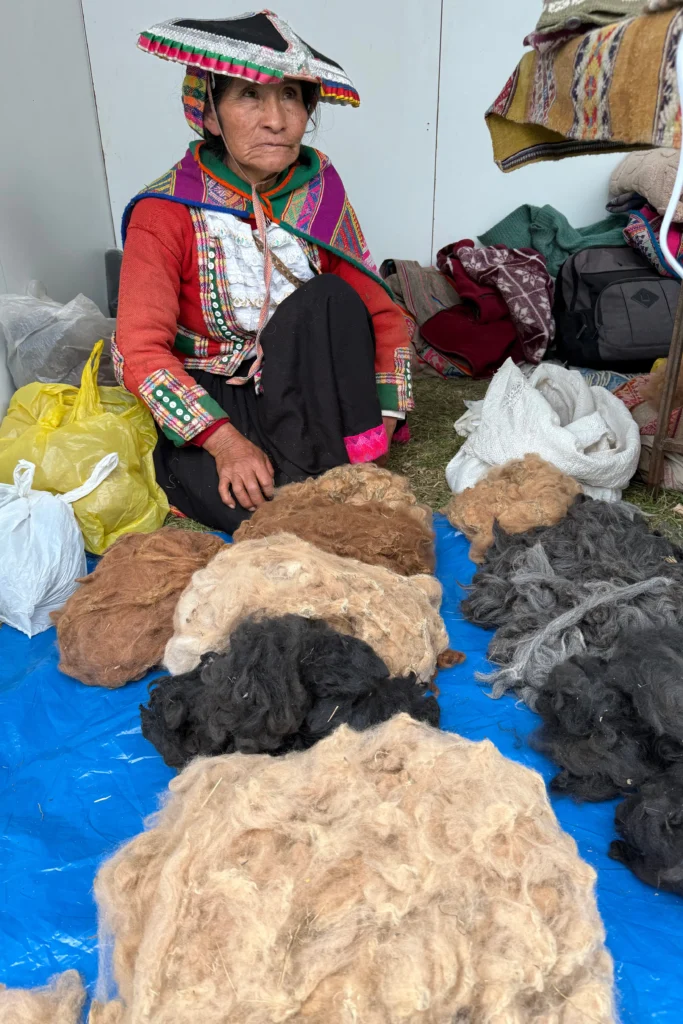
One of alpaca wool’s most remarkable qualities is its natural color diversity. In Peru alone, 52 natural alpaca colors are officially recognized (including subtle shades and hues of main colors), ranging from pure white to deep black, with countless shades of beige, brown, silver, and grey in between.
This natural palette reduces the need for chemical dyes, making alpaca wool an environmentally responsible fiber choice.
What Is an Alpaca?
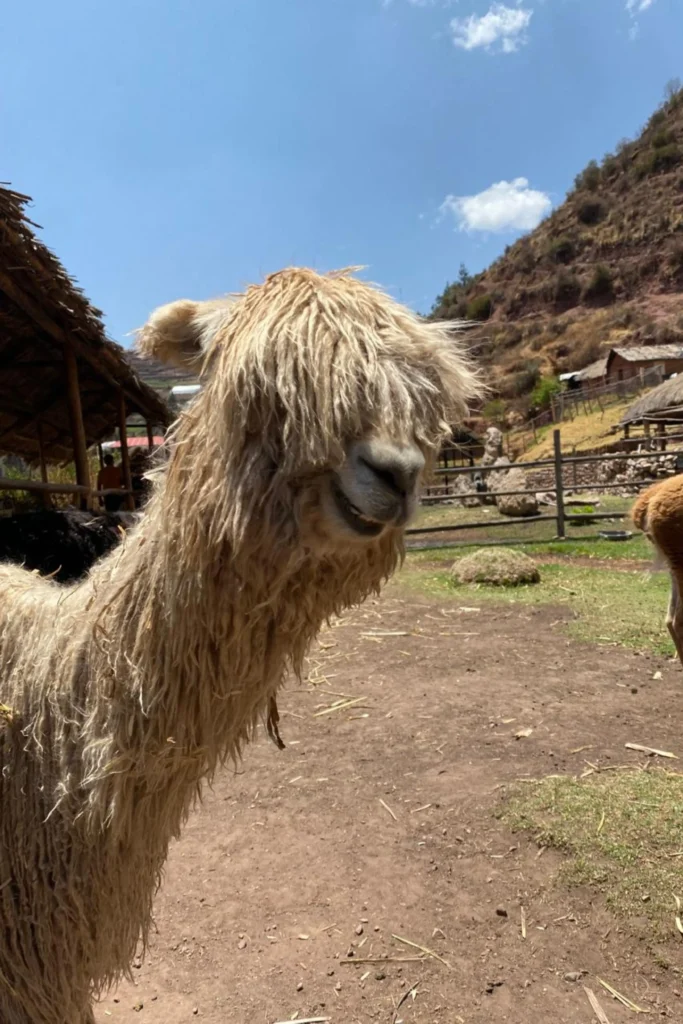
Alpacas are one of the four South American camelids, along with llamas, vicuñas, and guanacos. Native to the Andes Mountains, alpacas are most closely associated with Peru, which is home to approximately 72% of the global alpaca population (Textile Exchange).
They thrive at altitudes between 3,500 and 4,500 meters above sea level, where temperatures can fluctuate dramatically, sometimes ranging from –20°C to +30°C in a single day. Alpaca fiber evolved to protect them from intense cold, wind, and UV exposure, giving them exceptional insulating properties.
Alpacas and llamas were domesticated over 6,000 years ago, long before the Inca civilization, while vicuñas and guanacos remain wild.
Alpaca vs Llama vs Guanaco vs Vicuña
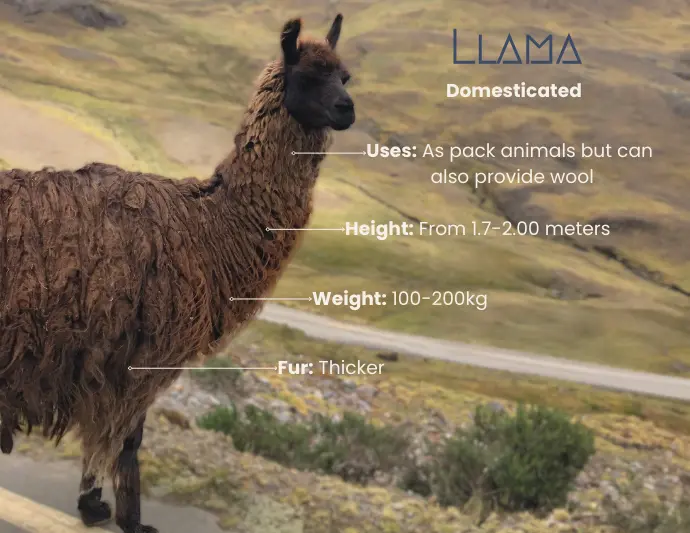
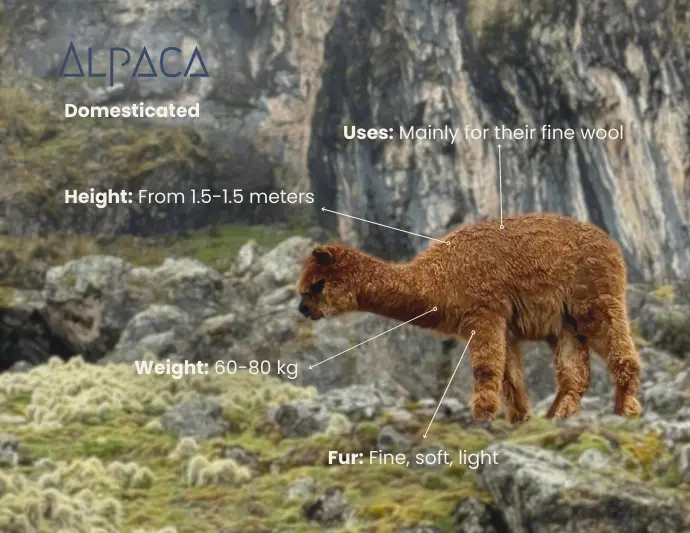
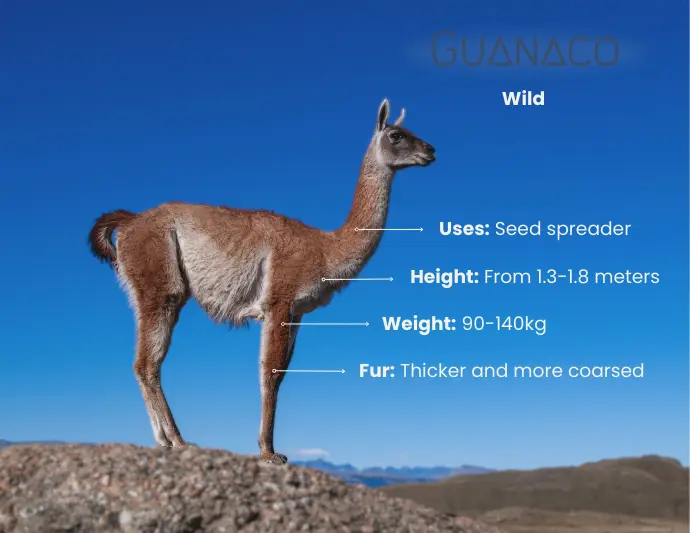
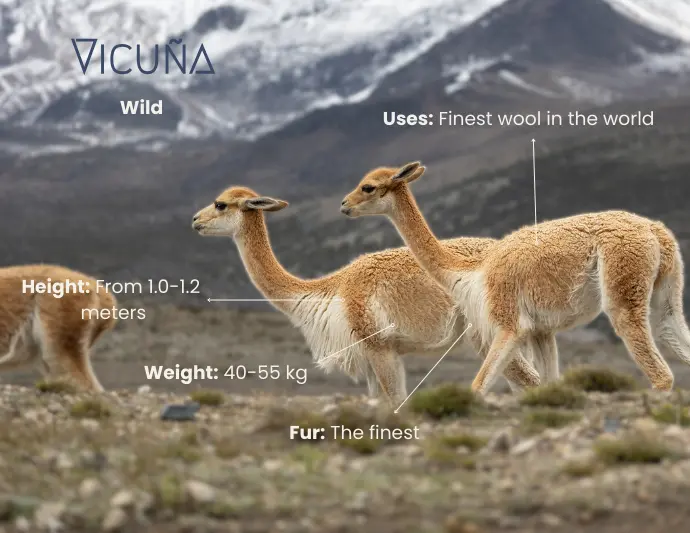
Alpacas stand out for producing high volumes of exceptionally soft fiber while remaining well-suited to domestication and ethical farming.
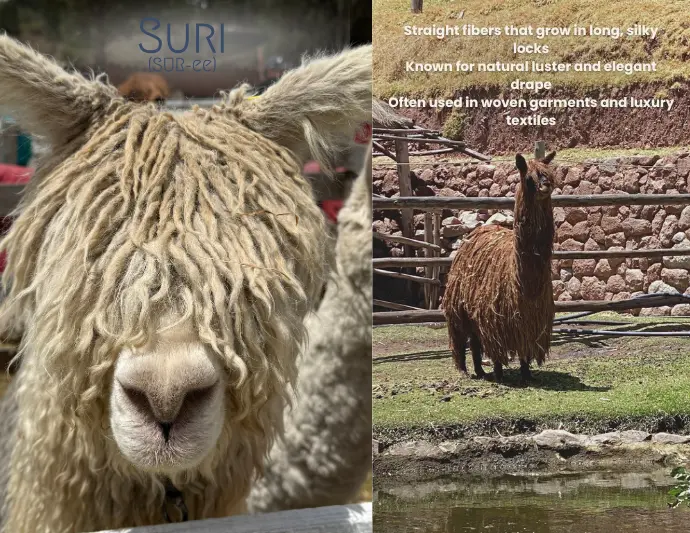
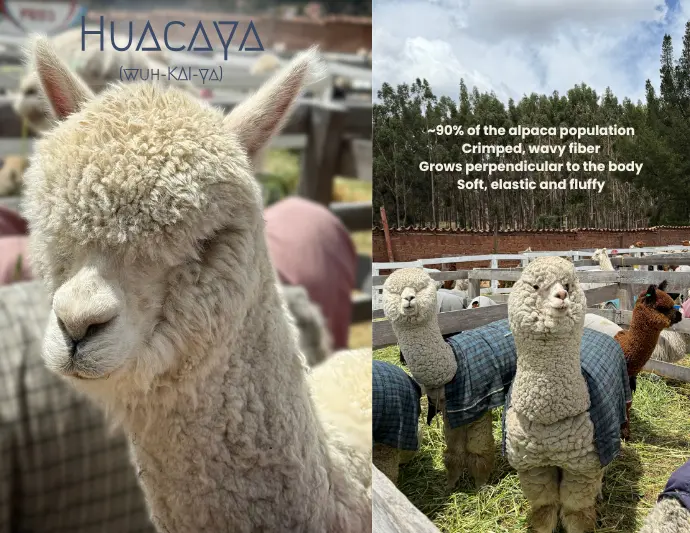
Types of Alpaca
Benefits of Baby Alpaca Wool
Comfort & Performance
Superior Softness: Baby alpaca wool is finer and smoother than standard alpaca wool, offering a cashmere-like feel without itchiness. Its silky texture enhances comfort in garments, making it ideal for sensitive skin.
Lightweight Warmth & Superior Insulation: Thanks to its semi-hollow, partially medullated fiber structure, baby alpaca traps microscopic air pockets that provide cozy warmth without bulk, while regulating body temperature. Garments are lightweight, breathable, and perfect for year-round wear, delivering energy-efficient comfort.
Hypoallergenic: Baby alpaca wool contains no lanolin, making it suitable for people with wool sensitivities or allergies, providing comfort without irritation.
Durability & Strength: With a higher tensile strength than cashmere, baby alpaca fibers resist stretching, breaking, and pilling.
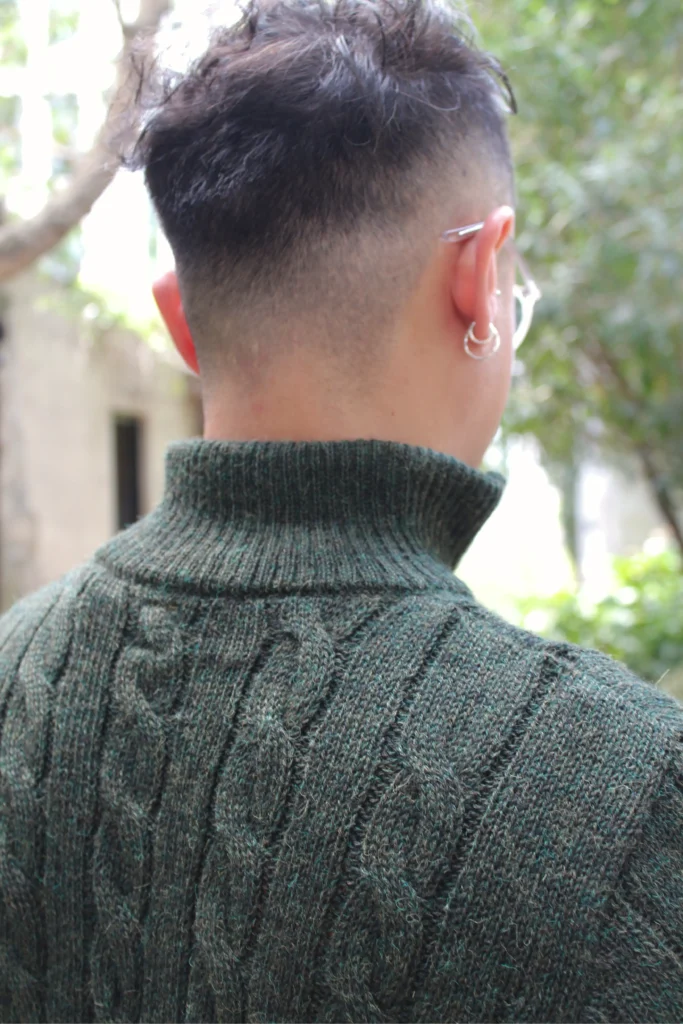
This means garments last longer, maintain their shape, and reduce the need for frequent replacement, supporting sustainable consumption.
Water, Odor, and Flame Resistance: Naturally water-repellent, slow to ignite, and resistant to odor, baby alpaca fibers perform exceptionally without chemical treatments, making them practical for daily wear.
Sustainability & Environemntal Impact
Low Water Usage: Alpaca farming requires less water than sheep, goats, or synthetic fiber production, both for grazing and wool processing. Producing garments from alpaca wool consumes significantly less water than synthetic fibers like polyester.
Gentle grazing habits: Alpacas graze lightly, feeding on the tops of grasses with their short tongues, which prevents overgrazing and allows vegetation to regenerate. They also require less pasture and food than other livestock, promoting soil health and ecosystem balance.
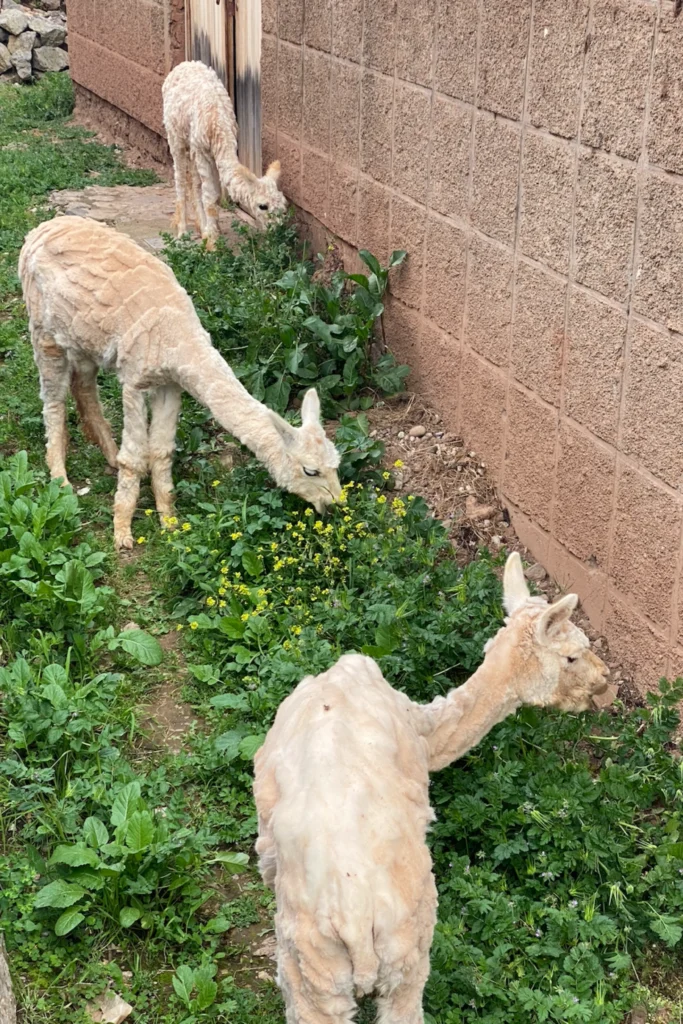
Fully Biodegradable & Renewable: Alpaca wool is a natural, renewable fiber that grows back annually. Unlike synthetic fibers, it is fully biodegradable, breaking down in soil typically within 1–5 years depending on conditions, returning nutrients to the environment.
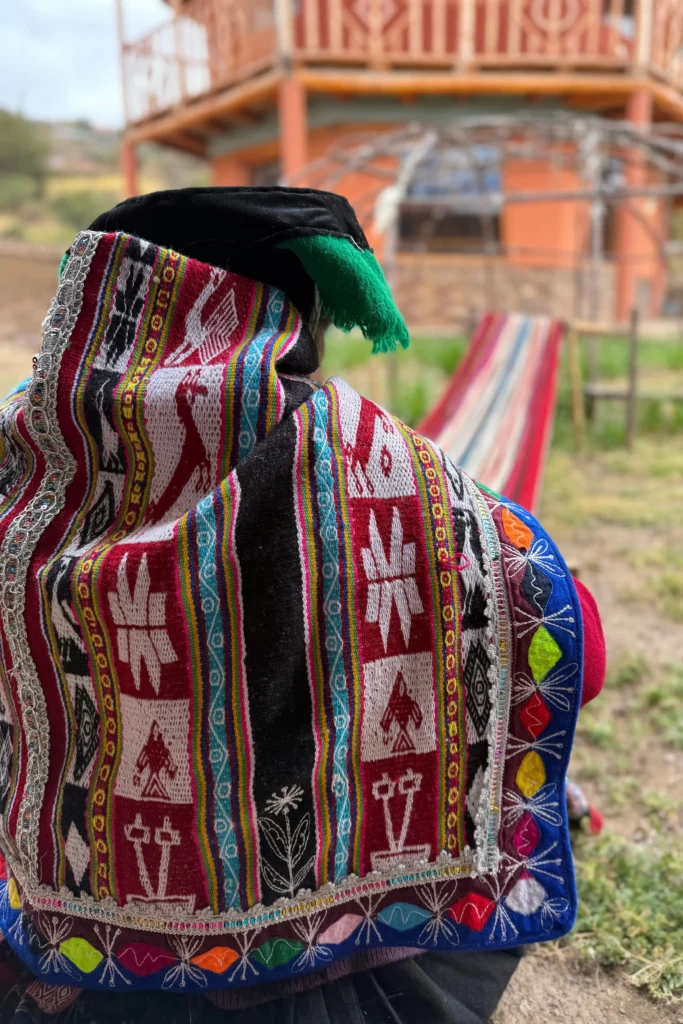
Ethical & Social Impact: Baby alpaca wool production supports Andean communities, preserves ancestral textile traditions, and promotes fair trade practices, ensuring economic stability and cultural continuity for small-scale farmers and artisans.
Fully Biodegradable & Renewable: Alpaca wool is a natural, renewable fiber that grows back annually. Unlike synthetic fibers, it is fully biodegradable, breaking down in soil typically within 1–5 years depending on conditions, returning nutrients to the environment.
Ethical & Social Impact: Baby alpaca wool production supports Andean communities, preserves ancestral textile traditions, and promotes fair trade practices, ensuring economic stability and cultural continuity for small-scale farmers and artisans.
Baby Alpaca Wool vs Cashmere
Both baby alpaca wool and cashmere are considered luxury fibers, but they differ significantly in performance, durability, and environmental impact.
Durability: Baby alpaca has a stronger tensile strength than cashmere, resulting in garments that pill less and maintain their structure longer.
Softness: Cashmere averages around 19 microns, while baby alpaca typically ranges between 18–19 microns, making them comparable in fineness. However, baby alpaca’s flatter fiber scales often feel smoother against the skin.
Insulation: Alpaca fibers are semi-hollow, meaning they contain tiny air pockets that trap warmth and improve thermal regulation. Cashmere fibers are solid, offering less efficient insulation by comparison.
Sustainability: Cashmere production relies on goats whose grazing has contributed to desertification in parts of Mongolia and China. Alpacas, by contrast:
- Graze without damaging root systems
- Require less water and land
- Produce more usable fiber per animal
One alpaca can yield enough fiber for 4–5 sweaters per year, while it can take four cashmere goats to produce enough fiber for a single sweater.
Color & Processing: Cashmere is usually dyed. Alpaca fiber naturally occurs in 52 colors, reducing the need for chemical processing.
In summary: Baby alpaca matches cashmere in softness while surpassing it in warmth, durability, lightness, and sustainability.

Alpaca Wool in Andean and Inca Culture
Long before alpaca fiber became a global luxury material, it held deep cultural, spiritual, and social significance in the Andes—particularly during the Inca Empire (c. 1438–1533).
Alpaca Wool in Andean Culture
For Andean civilizations, alpacas were far more than livestock. They were essential to daily survival, economy, and cosmology.
Alpaca wool was used to:
- Create clothing adapted to extreme high-altitude climates
- Produce blankets, ropes, and ceremonial textiles
- Serve as a form of wealth and social identity
Textiles were considered more valuable than gold in the Inca world. Cloth production was a highly skilled craft, often overseen by the state, and textiles were used as:
- Diplomatic gifts
- Tribute and taxation
- Markers of rank and status
Fine Alpaca Fiber and Social Hierarchy
Not all alpaca wool was equal. The Incas recognized differences in fiber fineness long before modern micron measurements. Finer alpaca fibers were reserved for:
- Nobility
- Priests
- Ceremonial use
- Coarser fibers were used for everyday garments worn by commoners
While the modern term “baby alpaca” did not exist, the concept of selecting the softest and finest fibers was deeply embedded in Andean textile traditions.
Cultural and Spiritual Meaning
Alpacas were closely linked to Pachamama (Mother Earth) and Andean beliefs about balance and reciprocity with nature (ayni). Sustainable herding, respectful shearing, and full use of the animal’s resources were fundamental principles, values that align closely with modern sustainability ideals.
Key Takeaways
- Exceptional softness & comfort: Baby alpaca wool is luxuriously soft, lightweight, and breathable—comparable to cashmere, but warmer and more durable.
- Naturally high performance: Its semi-hollow fiber structure provides excellent insulation, moisture resistance, odor control, and flame resistance without chemical treatments.
- Gentle on sensitive skin: Naturally lanolin-free, baby alpaca wool is hypoallergenic and comfortable for everyday wear.
- Sustainably made: Alpacas require less water, land, and food, and their wool is renewable, biodegradable, and lower impact than synthetic fibers.
- Ethical & long-lasting: Choosing baby alpaca supports Andean communities and traditional craftsmanship while offering garments designed to last for years.
Key Takeaways
- Exceptional softness & comfort: Baby alpaca wool is luxuriously soft, lightweight, and breathable—comparable to cashmere, but warmer and more durable.
- Naturally high performance: Its semi-hollow fiber structure provides excellent insulation, moisture resistance, odor control, and flame resistance without chemical treatments.
- Gentle on sensitive skin: Naturally lanolin-free, baby alpaca wool is hypoallergenic and comfortable for everyday wear.
- Sustainably made: Alpacas require less water, land, and food, and their wool is renewable, biodegradable, and lower impact than synthetic fibers.
- Ethical & long-lasting: Choosing baby alpaca supports Andean communities and traditional craftsmanship while offering garments designed to last for years.
Intersting Facts About Alpacas
- Alpaca mummies in southern Peru date back 900–1,000 years
- Alpacas communicate through body language and soft humming sounds
- They use communal dung piles, simplifying pasture management
- Gestation lasts 11–12 months, usually resulting in one cria
- Alpacas have three-chambered stomachs
- Alpacas can live around 15-20 years
- Alpacas are highly social animals and should never live alone. They thrive in herds and need companionship—ideally at least three animals—to feel safe and healthy. They are not house pets. Additionally, even gelded males should not be housed with females, as repeated breeding attempts can cause serious stress and health issues for the females.
- Although alpacas are native to high-altitude mountain regions, they can adapt to warmer climates when properly cared for. Preventing heat stress is essential and includes annual shearing, access to shade, and constant fresh water.
Frequently Asked Questions
- What is baby alpaca wool?
Baby alpaca wool is a premium alpaca fiber defined by its fineness rather than the animal’s age. It measures under 19 microns, making it exceptionally soft, lightweight, and hypoallergenic. Unlike standard alpaca wool, baby alpaca has a silky texture with flatter surface scales, reducing itchiness and providing luxurious comfort.
Link to section
- Why alpaca shearing is essential?
Shearing is not optional—it is critical to alpaca health and welfare. Without annual shearing, alpacas are at risk of overheating, restricted mobility, and skin infections and parasites.
Shearing typically occurs once per year, at the beginning of summer, to prevent heat stress. Each alpaca produces approximately 2–5 kilograms of fleece annually, of which 50–60% is first-quality fiber.
- Is baby alpaca wool sustainable?
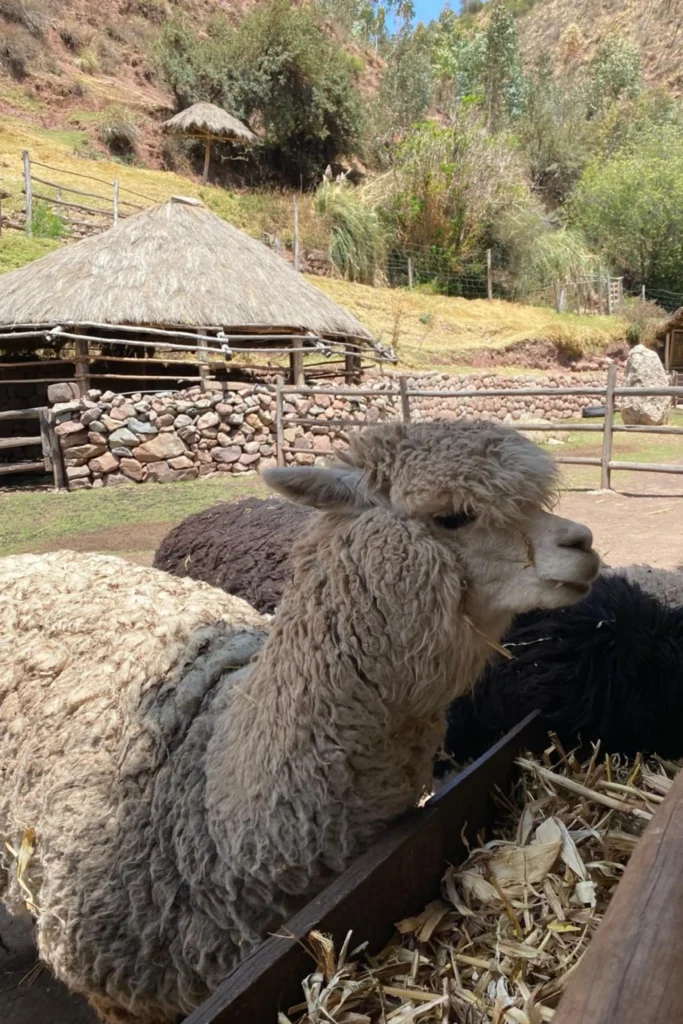
Yes. Baby alpaca wool is one of the most eco-friendly natural fibers available. Alpacas require less water, land, and feed than sheep, goats, or synthetic fiber production. They graze lightly without damaging root systems, preventing overgrazing and promoting healthy ecosystems.When compared to synthetic fibers like polyester, baby alpaca wool has a much lower carbon footprint. Polyester production relies on fossil fuels, contributing significantly to CO₂ emissions, whereas alpaca farming emits far less greenhouse gases per kilogram of fiber.
Baby alpaca wool is also fully biodegradable, breaking down in soil within 1–5 years, returning nutrients to the earth. In contrast, synthetic fibers like polyester can take 200+ years to decompose, and even cashmere can take 10–20 years depending on conditions, making baby alpaca a more environmentally responsible choice.
In addition, sourcing baby alpaca wool supports Andean communities, preserves traditional textile craftsmanship, and promotes fair trade practices, adding social sustainability to its ecological benefits.
- How warm is baby alpaca wool?
Baby alpaca wool is exceptionally warm due to its semi-hollow, partially medullated fiber structure. The microscopic air pockets trap heat efficiently while remaining lightweight and breathable. This allows garments to insulate without bulk, making baby alpaca suitable for both cold and variable climates.
- Is baby alpaca wool hypoallergenic?
Yes. Baby alpaca wool contains
no lanolin, which is the substance in sheep’s wool that often causes irritation. This makes it ideal for sensitive skin and those allergic to traditional wool, without compromising softness or warmth.
- Can baby alpaca wool resist water, odor, and flame?
Yes. Baby alpaca fibers are naturally water-repellent, odor-resistant, and slow to ignite. The fiber structure prevents moisture absorption and odor retention better than synthetic fabrics, making it practical for everyday wear without chemical treatments.

- How does baby alpaca wool compare to cashmere?
Baby alpaca wool rivals cashmere in softness, with fiber diameters of 18–19 microns, but offers several advantages:
– Stronger tensile strength, so garments last longer and resist pilling.
– Superior insulation due to semi-hollow fibers.More sustainable production,
– requiring less water and land.
– Baby alpaca comes in 52 shades, reducing the need for chemicals.
- How long do baby alpaca garments last?
Thanks to higher tensile strength and durability, garments made from baby alpaca wool retain their shape, softness, and appearance for many years, reducing the need for frequent replacement and supporting sustainable consumption.
Link to benefits.
- Why choose baby alpaca wool over regular alpaca or other wools?
Baby alpaca wool combines luxury, comfort, and performance. Compared to regular alpaca or sheep’s wool, it is softer, lighter, warmer, hypoallergenic, and more durable. Its sustainable production and support for local communities also make it a conscious choice for ethical fashion.
- Do alpacas help with the mental health of humans?
Yes. Alpacas are increasingly used in animal-assisted therapy to support mental health and emotional well-being. Their calm nature, gentle curiosity, and non-threatening presence can help reduce stress and anxiety. Alpacas are not aggressive and generally only react defensively if they feel threatened or startled. With proper training and handling, they can be excellent companions in therapeutic and wellness settings.
- Are alpacas dangerous?
No. Alpacas are generally easy to handle and not dangerous. They do not head-butt and are naturally shy rather than aggressive. Like any animal, they should be approached calmly and respectfully. If startled—especially from behind—an alpaca may kick with a hind leg, but their kick is far less powerful than that of a horse and rarely causes injury.
- Can I pet an alpaca?
Alpacas prefer not to be touched on the head or neck and generally appreciate having their personal space respected. However, they are gentle animals and may allow touch if they feel comfortable. If an alpaca does not move away or show stress signals (such as spitting or backing off), it is usually safe to gently pet their back. Always let the alpaca set the boundaries.
- Do alpacas spit?
Yes, alpacas can spit—but it is primarily a form of communication, not aggression. Spitting is used to establish dominance or protect personal space, usually toward other alpacas rather than humans. In rare cases, they may spit at people if they feel challenged or uncomfortable. Alpaca spit can reach up to 3 meters, so it’s best to respect their space and avoid confrontational behavior.