


Islas Ballestas & Paracas
Nature, Wildlife & the Colors Behind Peruvian Design
Peru is a country painted in extraordinary colors. From the emerald cloud forests of the Amazon to the snow-capped Andes and the golden Pacific coast, every landscape tells its own story.
Paracas is one of those places where nature creates a remarkable contrast. Here, the desert meets the Pacific Ocean, with terracotta cliffs, deep blue waters and unforgettable sunsets that transform the coastline into a living canvas.
When I first visited Paracas, I discovered a side of Peru completely different from the Andes I grew up surrounded by in Cusco. Instead of mountains and ancient stone paths, I found a landscape shaped by wind, salt, wildlife and vast open horizons. It invited me to slow down, observe, and appreciate the beauty of a place that remains protected for future generations.
That evening, watching the sun disappear where the desert meets the sea, I realized I had found the perfect expression of our Sukha Cinta. The colors unfolding before me were exactly what the design was created to represent: where the warm colours of the desert blend with the glowing reds and golds of the sunset.
The Design Inspiration: The Sukha Cinta
Our Sukha Cinta was inspired by the unforgettable sunsets of the Paracas National Reserve, where the desert meets the Pacific Ocean.
Sukha, meaning “sunset” in Quechua, captures the warm reds, golden yellows and earthy tones that light up the desert as the sun dips below the horizon. Paired with the navy organic cotton of the Sukha Hoodie, the design reflects the meeting of the vibrant desert landscape with the deep blue Pacific.
More than a combination of colors, the Sukha Hoodie was created to evoke the feeling of being there; the warmth of the setting sun, the fresh ocean breeze and the peaceful rhythm of slow travel.
For us, wearing Sukha is like carrying a piece of the Paracas sunset wherever life takes you; a gentle reminder of its warmth, light and quiet beauty, even on the coldest days.


Exploring Islas Ballestas: A Sanctuary of Biodiversity
One of the highlights of any visit to Paracas begins early in the morning, when the bay is at its calmest and the wildlife is just beginning to stir.
I recommend taking the 8 a.m. boat tour because the Pacific is usually gentler at that time. Tours depart from the harbor in Paracas Town and whether you choose a group excursion or a private boat, the experience is well organized with bilingual guides sharing the history and ecology of the area. To protect this fragile ecosystem, visitors never disembark on the islands; everything is experienced respectfully from the water.
Before reaching the islands, the boat passes one of Peru’s most enduring mysteries: El Candelabro. Carved into the sandy hillside over 2,000 years ago, this enormous geoglyph stretches nearly 200 meters across the desert. Its purpose remains unknown. Some believe it served as a navigational marker for sailors, while others link it to the ancient Paracas culture that flourished along this coast between 800 BCE and 200 CE. Whatever its true origin, seeing it emerge from the mist is an unforgettable introduction to the region.
Further offshore, the Islas Ballestas reveal why they are often called the “Galápagos of Peru.” These rocky islands provide sanctuary for an astonishing diversity of marine life. Sea lions lounge across the rocks, Humboldt penguins nest among the cliffs and thousands of pelicans, cormorants, Peruvian boobies and other seabirds fill the skies overhead. If seeing penguins is high on your list, December through February generally offers the best chances.
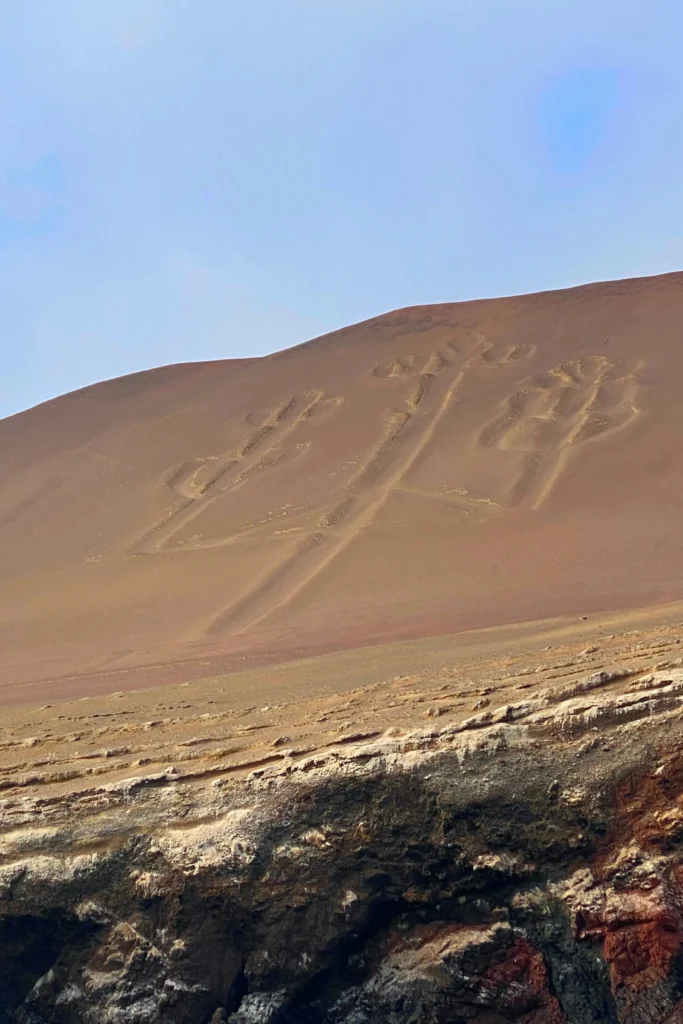
Before reaching the islands, the boat passes one of Peru’s most enduring mysteries: El Candelabro. Carved into the sandy hillside over 2,000 years ago, this enormous geoglyph stretches nearly 200 meters across the desert. Its purpose remains unknown. Some believe it served as a navigational marker for sailors, while others link it to the ancient Paracas culture that flourished along this coast between 800 BCE and 200 CE. Whatever its true origin, seeing it emerge from the mist is an unforgettable introduction to the region.
Further offshore, the Islas Ballestas reveal why they are often called the “Galápagos of Peru.” These rocky islands provide sanctuary for an astonishing diversity of marine life. Sea lions lounge across the rocks, Humboldt penguins nest among the cliffs and thousands of pelicans, cormorants, Peruvian boobies and other seabirds fill the skies overhead. If seeing penguins is high on your list, December through February generally offers the best chances.
One fascinating piece of history often surprises visitors. During the nineteenth century, Peru exported millions of tonnes of guano: the nutrient-rich fertilizer created by generations of nesting seabirds. The deposits found on islands like Ballestas became one of the country’s most valuable natural resources and rests of the old extraction equipment can still be seen today, offering a glimpse into a remarkable chapter of Peru’s economic history.
More than anything, the Ballestas Islands are a reminder of how successful conservation can be. By observing wildlife from a respectful distance and choosing operators that follow environmental regulations, every visitor contributes to protecting one of Peru’s most important coastal ecosystems.
The Paracas National Reserve: Where Desert Meets Sea
If the Ballestas Islands showcase the richness of Peru’s marine life, the Paracas National Reserve reveals one of its most extraordinary landscapes.
Covering more than 335,000 hectares, it is one of the few places in the world where a vast coastal desert meets the Pacific Ocean so dramatically. Wind-sculpted dunes flow into towering cliffs, while beaches of golden and striking red sand create landscapes unlike anywhere else in Peru.
One of the reserve’s most iconic stops is Playa Roja, famous for its deep red sand colored by ancient volcanic rock eroded from the surrounding cliffs. Standing above the beach, watching the shoreline meet the Pacific, it’s easy to understand why Paracas has inspired artists, photographers and designers alike.
Another hidden gem is La Mina Beach, one of the few beaches within the reserve where swimming is permitted. If you’d like time to enjoy the water, it’s worth mentioning this to your guide before the tour begins, as many itineraries only stop briefly.
Your entrance ticket to the reserve also includes access to two excellent museums, both of which are well worth visiting on your return to town. The Interpretation Centre focuses on the reserve’s unique biodiversity, explaining how such a seemingly harsh landscape supports flamingos, foxes, marine mammals, reptiles and hundreds of bird species throughout the year.
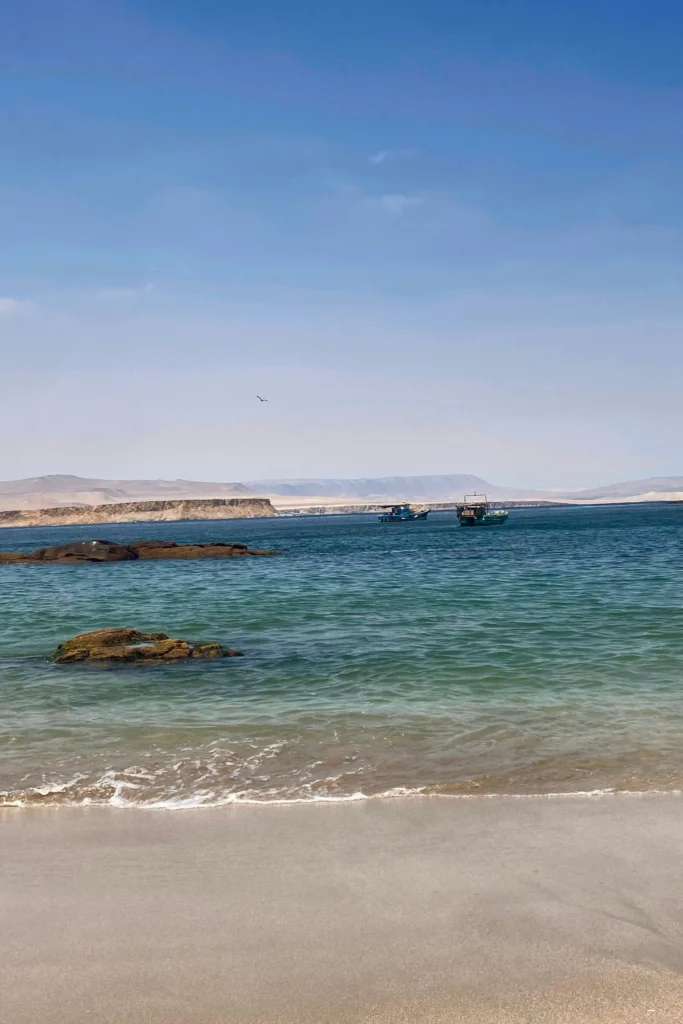
One of the reserve’s most iconic stops is Playa Roja, famous for its deep red sand colored by ancient volcanic rock eroded from the surrounding cliffs. Standing above the beach, watching the shoreline meet the Pacific, it’s easy to understand why Paracas has inspired artists, photographers and designers alike.
Another hidden gem is La Mina Beach, one of the few beaches within the reserve where swimming is permitted. If you’d like time to enjoy the water, it’s worth mentioning this to your guide before the tour begins, as many itineraries only stop briefly.
Your entrance ticket to the reserve also includes access to two excellent museums, both of which are well worth visiting on your return to town. The Interpretation Centre focuses on the reserve’s unique biodiversity, explaining how such a seemingly harsh landscape supports flamingos, foxes, marine mammals, reptiles and hundreds of bird species throughout the year.
The Julio C. Tello Museum introduces visitors to the ancient Paracas civilization, one of Peru’s earliest cultures, whose sophisticated textiles, ceramics and traditions influenced many later societies along the coast. The museum also explores the culture’s remarkable medical practices, including cranial surgery (trepanation) and intentional cranial modification, offering fascinating insight into their advanced understanding of medicine over two thousand years ago.
Before leaving Paracas, I recommend waking up early one final time. Around sunrise, near the edge of the reserve along Avenida Los Libertadores, large flocks of flamingos often gather in the shallow waters. Watching hundreds of them feeding against the backdrop of the desert is a peaceful way to end your visit. Some Peruvians even believe these elegant birds inspired the red and white colors of the Peruvian flag; a beautiful legend connecting the country’s biodiversity with its national identity.
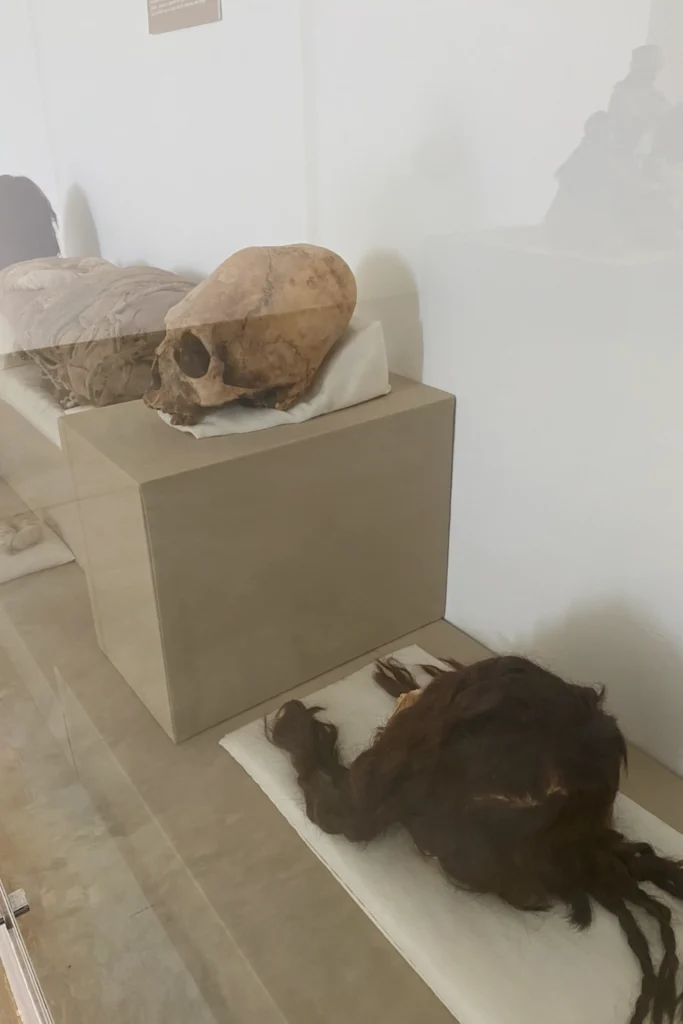
The Julio C. Tello Museum introduces visitors to the ancient Paracas civilization, one of Peru’s earliest cultures, whose sophisticated textiles, ceramics and traditions influenced many later societies along the coast. The museum also explores the culture’s remarkable medical practices, including cranial surgery (trepanation) and intentional cranial modification, offering fascinating insight into their advanced understanding of medicine over two thousand years ago.
Before leaving Paracas, I recommend waking up early one final time. Around sunrise, near the edge of the reserve along Avenida Los Libertadores, large flocks of flamingos often gather in the shallow waters. Watching hundreds of them feeding against the backdrop of the desert is a peaceful way to end your visit. Some Peruvians even believe these elegant birds inspired the red and white colors of the Peruvian flag; a beautiful legend connecting the country’s biodiversity with its national identity.
Paracas reminds us that extraordinary places deserve to be experienced thoughtfully. By supporting responsible local guides, respecting protected areas and taking the time to learn about the history behind the landscape, your visit becomes more than a day trip; it becomes a deeper connection with one of Peru’s most remarkable natural treasures.
The Coastal Capsule Packing Guide: What to Wear
Paracas is known for bright, sun-drenched days, but don’t be fooled by the sunshine; the coastal breeze can be surprisingly cool, especially on morning boat trips and after sunset. Breathable natural fibres and light layers are the perfect combination.
Made from premium organic cotton, our coastal capsule embraces the rhythm of Paracas; light enough for sun-filled days, yet perfect for layering as the ocean breeze rolls in. We recommend packing:
Organic Cotton Tank Crop Tops for warm mornings spent admiring endless desert horizons and soaking in the peaceful coastal scenery.
The Sukha Hoodie, layered over your outfit for cooler mornings and evenings. Its navy organic cotton and sunset-inspired Sukha Cinta beautifully reflect the colours of the Paracas landscape while keeping you warm against the ocean breeze.
The Raymi Open Back Top, crafted in soft white organic cotton and finished with our colourful Raymi Cinta, for leisurely walks along the beach or a sunset stroll by the Pacific.


Conscious Travel Guide & Pro Tips (FAQ)
When is the best time to visit?
Paracas is beautiful year-round. For calmer seas, wildlife viewing and pleasant temperatures, April to November is ideal. Penguin sightings are most common between December and February. But be mindful that July to October is peak season.
How do I get there?
Paracas is approximately a three-hour drive south of Lima, making it an easy weekend escape. There are buses from Lima.
How should I experience Islas Ballestas?
Choose the earliest morning boat tour when the ocean is usually calmer, and book with operators that respect wildlife protection regulations.
Should I book tours in advance?
Outside Peru’s summer season, booking one day ahead is often sufficient. Between January and March, it’s advisable to reserve accommodation and tours in advance.
Is Paracas safe?
Yes. The town is relaxed and welcoming for travellers. As with anywhere, keep valuables secure and use licensed tour operators.
How can I travel more sustainably?
Support local businesses, carry a reusable water bottle, avoid single-use plastics, never feed or disturb wildlife, and choose eco-conscious tour companies committed to protecting the Paracas National Reserve and the Islas Ballestas. .
How many days do you need in Paracas?
One full day is enough to visit both Islas Ballestas and the Paracas National Reserve.
What is Paracas known for?
Paracas is famous for the Islas Ballestas, the Paracas National Reserve, and its rich marine and desert ecosystems.
What are the top things to do in Paracas?
- Islas Ballestas boat tour – Take the 8 a.m. tour for calmer seas and better wildlife viewing.
- Paracas National Reserve – Explore by van, bike, or ATV (avoid midday heat if biking).
- Visit the museums inside the reserve to learn about the ancient Paracas culture.
- Enjoy fresh seafood and sip Pisco Sours by the waterfront
Day 1 (half day) – Arrival in Paracas
Evening
- Arrive to Paracas from Lima (3 hours drive or bus via Cruz del Sur/Peru Hop)
- Book tours for Islas Ballestas and Paracas National Reserve (can book online as well)
- Check in, enjoy dinner, and unwind
Day 2 (full day) – Tours day
Morning
- Depart for Islas Ballestas boat tour at 8am from the docks
Afternoon
- Lunch and relax before the next tour
Evening
- Guided tour of Paraca National Reserve
- end the tour at the beach La Mina (swimming allowed)
- Option to travel to Ica or stay overnight in Paracas